Steady Balance Arcade
Reviews
Steady Balance Arcade strips the arcade formula down to a single, well-executed mechanic: tap at the right moment to keep a ball aloft on a moving platform. The endless difficulty curve ensures that improvement feels earned, while the pixel art and browser-based design keep it accessible on almost any device. It suits players who enjoy reflex-based challenges and personal score chasing. The main limitation is its narrow scope; anyone seeking varied modes or narrative depth will find it repetitive.
Description
Core Timing Challenge
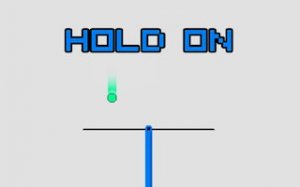
Steady Balance Arcade is built around a single, precise action: tapping or clicking at the exact moment a falling ball reaches a platform that slides left and right. Your goal is to launch the ball upward so it lands back on the platform. Tap too early or too late, and the ball misses. That simple rule creates a constant test of reflexes and coordination, with no levels to memorize and no resets to rely on.
Endless Escalation
Unlike arcade games that cycle through fixed stages, Steady Balance Arcade never levels off. As your score climbs, the platform may accelerate or change direction unpredictably. The difficulty scales with your performance, so the challenge keeps pace with your growing skill. Each session is a fresh attempt to push your personal best, whether you have a few minutes for a quick break or a longer practice window.
One-Tap Accessibility
Controls are limited to a single tap or click, making the game approachable for all ages and skill levels. The pixel art design keeps the game lightweight, loading quickly on desktops, tablets, and phones without any download. Score tracking lets you measure your progress and compare results with friends, turning a simple mechanic into a repeatable test of consistency.
Building Consistency
Success comes from rhythm rather than frantic tapping. Watching the ball's height and the platform's speed helps you adjust the strength of each tap. When the platform changes direction, a brief pause to reorient often prevents a miss. Small, controlled taps tend to work better than large, erratic ones, and regular practice builds the muscle memory needed to anticipate movement.










Editorial Notes