Sheep Launch Arcade Challenge
Reviews
Sheep Launch Arcade Challenge succeeds because it commits fully to a single mechanic: timing a release to fling a sheep as far as possible. The physics engine keeps launches unpredictable enough that repetition stays engaging, and the browser-based design makes it easy to pick up for a few attempts. It is best suited to players who enjoy score-chasing and do not need progression systems or unlocks. The main limitation is that the experience is narrow by design—there is no level variety or multiplayer, so its appeal depends entirely on how much you enjoy refining one skill.
Description
One Tap, One Launch
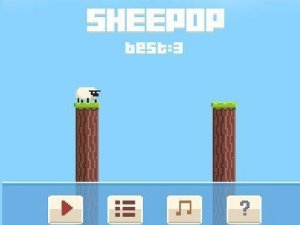
Every attempt in Sheep Launch Arcade Challenge follows the same loop: tap or click the sheep, build power, and release at the precise moment that sends it flying across the landscape. There is no level select, no character roster, and no branching path. The entire skill ceiling sits inside that single release timing, which is why the game is described as deceptively difficult despite its simple controls.
Why the Timing Window Matters
Release too early or too late and the sheep barely travels. The physics engine adds unpredictability to each launch, so identical timing does not always produce identical distance. That variance is what makes repeat attempts interesting: you are not just memorizing a perfect input, you are reading the power meter and adapting to how the launch plays out.
Built for Short Sessions
The game runs in any browser with mouse or touchscreen input, so it fits naturally into quick breaks. There are no in-app purchases or intrusive ads interrupting play, and no complicated rules to learn before your first launch. Family-friendly visuals and playful sound effects keep the tone light even when a launch falls short of your best distance.
Chasing Your Personal Best
Score is tied directly to distance, and the only progression is your own high score. That structure rewards patience and repeated attempts rather than unlocks or upgrades. Sharing results with friends or family turns a solo timing exercise into a small competition, which is often what pushes players to keep refining their release point.








Editorial Notes