Color Block Puzzle Game
Reviews
Color Block Puzzle Game delivers a familiar block-placement formula with a few thoughtful touches. Rotation adds flexibility, and the absence of time limits turns each session into a planning exercise rather than a race. Vibrant visuals and drag-and-drop controls keep it approachable. The main limitation is that the core loop stays the same throughout, so players seeking constant novelty may find it repetitive.
Description
Grid-Filling Basics
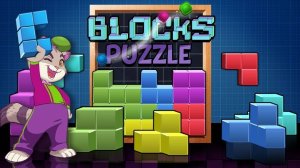
Color Block Puzzle Game centers on a straightforward objective: place blocks of various shapes onto a grid. The blocks come in different colors and configurations, and your task is to arrange them so that complete horizontal or vertical lines form. When a line is filled, it disappears, freeing space for more blocks. This core loop is easy to understand but demands foresight, because every placement changes the available space.
Drag, Drop, Rotate
Playing is handled entirely through drag-and-drop controls. You select a block from the panel at the bottom of the screen, drag it onto the grid, and rotate it if needed to find a fit. The controls are described as smooth and responsive, which matters when you are trying to slot an awkward shape into a tight gap. Rotation adds a layer of flexibility, letting you test different orientations before committing to a placement.
Planning Without Pressure
There are no time limits in Color Block Puzzle Game, so you can think through each move at your own pace. That design choice shifts the challenge from reflexes to planning. The game continues until no remaining blocks can be placed, meaning your score is tied directly to how well you manage the grid over time. Clearing lines regularly keeps the board open; leaving isolated gaps tends to restrict future options.
Who It Suits
The combination of simple rules and strategic depth makes the game accessible to casual players while still offering something for puzzle enthusiasts. Vibrant visuals and an intuitive interface keep the experience approachable. Because sessions have no imposed time pressure, it works well for short breaks or longer planning sessions. The focus stays on spatial reasoning and pattern recognition rather than speed.








Editorial Notes