Truck Jigsaw Puzzle Challenge
Reviews
Truck Jigsaw Puzzle Challenge keeps its scope narrow and executes it cleanly: pick a truck image, choose a piece count, and assemble the picture by dragging pieces into place. The absence of timers and penalties makes it genuinely relaxing rather than tense, and the difficulty scaling through piece count gives beginners a clear on-ramp. The main limitation is variety, since the appeal rests entirely on truck imagery and standard jigsaw mechanics. Players who want progression systems, scoring, or competitive elements will not find them here. It is best suited to casual players, families, and anyone who enjoys traditional jigsaw puzzles with a specific visual theme.
Description
Assembling Pickup Truck Images
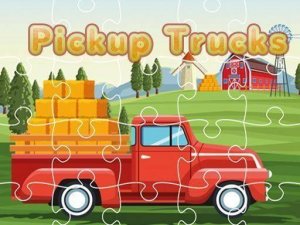
Truck Jigsaw Puzzle Challenge turns pickup truck photography into jigsaw puzzles. Each session begins by choosing a truck image, then selecting a difficulty level. Easier settings use fewer pieces; harder settings increase the piece count for a longer solve. The goal is simple: move every piece from the scattered pile onto the board until the complete truck picture is visible. [IMG_1]
Drag-and-Drop Controls and Feedback
Pieces are placed by dragging and dropping them onto the puzzle board. When a piece reaches its correct spot, it snaps into place, giving immediate confirmation that the placement is right. Wrong placements simply stay where they are dropped, so players can keep rearranging without penalty. There are no timers, move limits, or fail states, which means a puzzle can be paused or abandoned mid-solve and resumed later.
Difficulty Options and Image Variety
Difficulty is handled through piece count rather than new rules. Beginners can start with a low piece count to learn how the board responds, then move to denser puzzles once the drag-and-drop rhythm feels natural. The truck images themselves provide the visual variety, ranging from classic to modern pickup designs. That range matters because color and body shape affect how easily pieces can be grouped during a solve. [IMG_2]
Who This Suits and How to Approach It
Because the game is family-friendly and has no time pressure, it fits short breaks as well as longer sessions. A practical approach is to build the border first, since edge pieces define the puzzle's frame. Sorting remaining pieces by color or pattern groups similar sections together and reduces the time spent scanning the pile. Regular practice tends to make higher piece counts more manageable.






Editorial Notes