Urban Power Grid Manager
Reviews
Urban Power Grid Manager offers a clear simulation of the trade-offs behind keeping a city powered. Its strength lies in making resource allocation and economic planning tangible: every new plant affects both your budget and your ability to meet demand. The mix of steady and variable energy sources adds meaningful decisions. Players who enjoy infrastructure and economic strategy will find a thoughtful challenge, though those seeking fast action may prefer a different pace.
Description
Matching Supply to Demand
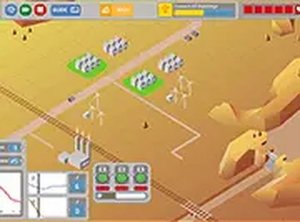
Your primary task is to keep electricity flowing as the city grows. The interface shows current production and consumption in real time. When demand rises above supply, you must either increase output or find ways to reduce strain. The game presents these decisions as a continuous balancing act rather than a one-time puzzle.
Choosing Power Sources
Several generation options are available. Traditional plants deliver steady output but carry higher fuel costs. Solar panels and wind turbines have lower operating expenses, yet their output fluctuates. Mixing sources helps smooth out variability and control long-term spending. Each technology has its own cost profile, so the right combination depends on your budget and the city's load patterns.
Budget and Expansion
Building new generation units requires upfront investment. You monitor income and expenses closely, because running out of funds can halt progress. As new housing and commercial zones appear, the load on your grid increases. Anticipating these changes and expanding capacity before shortages occur is key to avoiding blackouts and keeping the city powered.
Reading the Feedback
Color-coded graphs and meters display production, consumption, and costs. These indicators make it easy to spot problems early. When conditions change, you can adjust your strategy quickly. The visual feedback supports forward planning, helping you decide whether to invest in new capacity or optimize existing sources.
Editorial Notes