Obstacle Dash Reflex Runner
Reviews
Obstacle Dash Reflex Runner strips the reflex genre down to its essentials: one block, one corridor, and walls that demand precise timing. The gradual speed increase creates a natural difficulty curve, while the clean visuals and steady audio keep attention on the action. It suits players who enjoy short, repeatable challenges and tracking personal improvement. The lack of checkpoints or modes may frustrate those seeking longer progression, but the self-contained runs are ideal for quick sessions.
Description
Core Loop and Player Goal
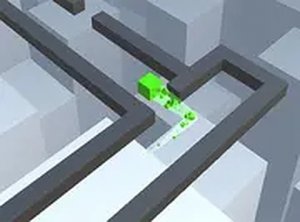
Each run in Obstacle Dash Reflex Runner begins with a block moving down a straight corridor. The environment is intentionally bare, so nothing competes for your attention. Your only job is to shift the block left or right to avoid walls that block the path. There is no finish line. The run continues until the block hits an obstacle, and then you see your distance and can start again. This design keeps the focus on personal improvement rather than level completion.
How Speed Changes the Challenge
The pace does not stay constant. After a few seconds of clear travel, the block accelerates, and the speed keeps increasing in small increments. Early segments feel slow and forgiving, which gives new players room to learn the basic movement. Later segments demand faster decisions. Because the increase is gradual, you can track your own progress across multiple sessions without needing a separate progression system.
Obstacle Patterns and Anticipation
Barriers appear in different arrangements. Some walls have a single gap. Others present a series of openings that require quick side-to-side movement. The placement follows a logical flow that rewards anticipation rather than pure reaction. Players who watch ahead can plan their next move. Those who react only at the last moment may find themselves trapped. The variety in obstacle layout keeps each run feeling slightly different.
Visual and Audio Design
The visual style is clean and minimal. Bright colors on a plain background help the block and obstacles stand out clearly. There are no complex animations or distracting effects. The audio consists of a steady background beat that matches the increasing speed. This combination helps players stay focused on the action without sensory overload. The simple presentation also makes the game accessible on various devices.
Session Structure and Audience
There is no level select or menu of modes. You start a run, play until a collision, then see your distance and can start again. This structure encourages repeated attempts in short bursts. A single run may last only a few seconds for a beginner or several minutes for an experienced player. The lack of a save point or checkpoint means each run is a complete, self-contained challenge. This design suits quick gaming sessions during breaks.







Editorial Notes