Forest Guardians Tactical Challenge

Reviews
Forest Guardians Tactical Challenge stands out for its emphasis on creative problem-solving rather than raw power. Placing logs and thorn bushes to redirect intruders feels more like a puzzle than a typical defense game. The resource system—collecting acorns and berries to upgrade defenses—adds a layer of planning without overwhelming younger players. Its bright visuals and comical sound effects keep the tone light, though the lack of specified platforms or multiplayer may limit appeal for some. Best suited for families seeking a calm, thoughtful strategy experience.
Description
Creative Placement Over Firepower
Forest Guardians Tactical Challenge asks players to think ahead while reacting to shifting situations. Each round starts with a view of the forest terrain and the paths intruders will follow. Players position barriers, decoys, and natural obstacles along these routes to slow or redirect approaching threats. The challenge lies in balancing limited resources against waves that grow stronger and faster. Unlike many tower defense games, success depends on clever placement rather than raw firepower—a single well-placed log or thorn bush can be more effective than a dozen scattered items.
Gathering and Spending the Forest's Bounty
Acorns, berries, and other woodland treasures appear after each successful wave or lie hidden in the environment. These resources let players improve existing defenses, unlock new obstacle types, and occasionally call animal allies for assistance. Each item has a few upgrade levels that boost durability or effectiveness. There is no complex tech tree, so younger players can grasp the system quickly while adults still find depth in deciding when to save and when to spend.
A Gentle, Inviting Atmosphere
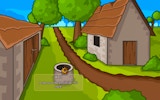
The art style uses bright, cheerful colors with soft edges and friendly character designs. Trees sway, streams ripple, and small animals peek from bushes, creating a calming backdrop even as the action picks up. Sound effects match the theme—birds chirp, wind rustles leaves, and intruder footsteps come across as more comical than threatening. The overall presentation keeps the experience approachable for children and pleasant for older players, with no dark or frightening moments.
Gradual Progression and Replay Value
New elements are introduced gradually. Early levels teach basic placement and resource collection. Later stages add moving obstacles, multiple entry points, and special intruder types that demand different countermeasures. Some levels take place during rain or night, slightly altering visibility and movement speed. The difficulty curve is gentle but consistent, and replaying earlier stages to gather more resources often reveals alternative strategies that were not obvious the first time.







Editorial Notes