Critter Street Dash
Reviews
Critter Street Dash delivers a familiar road-crossing concept with an animal twist. Its strengths lie in accessible controls, a smooth difficulty curve, and a bright visual style that suits family play. Sessions are short, making it easy to fit into breaks. The main limitation is that the core loop remains consistent across characters, so variety comes mostly from visual choice rather than mechanical differences. It is best suited to casual players who enjoy quick, score-chasing challenges.
Description
Animal Characters and Road-Crossing Basics
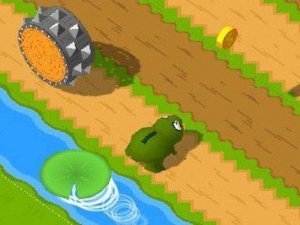
Critter Street Dash takes the familiar road-crossing formula and gives it an animal-themed presentation. Players choose from a lineup of animal characters, each with a distinct visual personality, then guide that character from one side of a busy road to the other. The core loop is simple: read traffic patterns, predict gaps between vehicles, and make split-second decisions to cross without being hit. Every successful crossing adds to the score and moves the player closer to the next stage.
How Traffic Patterns Shape Difficulty
Early levels keep things approachable with slow-moving cars and generous gaps, giving new players room to learn the rhythm of the road. As stages progress, vehicles speed up and appear in more complex formations. Some levels introduce multi-lane roads where traffic moves in opposite directions, forcing players to track multiple streams of vehicles at once. The difficulty curve builds gradually, so each increase in challenge arrives after players have had time to adapt.
Controls and Immediate Feedback
Input is deliberately minimal. Players use arrow keys or on-screen directional buttons to move forward, backward, or sideways. The interface stays clean with no cluttered menus, which keeps the focus on the road. Every action produces immediate feedback, helping players understand mistakes quickly and adjust their timing. This precision makes the game accessible to beginners while still allowing experienced players to optimize their routes.
Visual Style and Session Design
The game uses a bright, cartoon-like art style with cheerful colors and smooth animations. Animal characters have a friendly, approachable look, and roads are shown with clear lane markings against varied backdrops, from sunny city streets to quieter suburban routes. Sessions are short, typically lasting a few minutes per attempt, which suits quick breaks as well as longer play sessions. The scoring system encourages repeat attempts to beat personal bests, and the growing difficulty ensures returning players find a fresh challenge.








Editorial Notes