Number Merge Grid Puzzle

Reviews
Number Merge Grid Puzzle strips the genre down to its essentials: match identical numbers, merge them into higher values, and manage limited grid space. The lack of timers makes it approachable for players who prefer thinking over reacting. Each game starts with a different arrangement, so replay value comes from adapting to new layouts. The main limitation is that the core loop stays the same throughout—there are no power-ups or alternate modes mentioned. Best suited for fans of casual logic puzzles who enjoy planning several moves ahead.
Description
How Merging Works
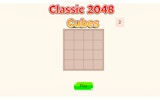
Number Merge Grid Puzzle is built around a single action: when two tiles showing the same number touch, they combine into one tile with a higher value. Small numbers become medium numbers, and medium numbers eventually become large ones. Because the grid has a fixed size, each merge changes the available space. A careless placement can block future merges and force a restart. The game ends when the grid is completely blocked.
Planning Around Limited Space
Early rounds feel easy because small tiles leave plenty of room. As numbers grow, each tile still occupies the same physical space but represents a much larger value. This shift forces players to think several moves ahead. Keeping low-value tiles near each other helps create quick merges, while high-value tiles need careful positioning to avoid becoming obstacles. The game rewards players who maintain an organized layout and leave gaps for new tiles to appear.
Feedback and Session Length
Tiles display clear numbers against a neutral background, making it easy to scan the board. When a merge happens, a brief animation confirms the action and highlights the new value. This immediate feedback helps players track progress and adjust strategy on the fly. The absence of timers means there is no pressure to rush. Each session can last a few minutes or stretch into a longer session, depending on how carefully you plan each move.
Progression and Replay Value
Every new game generates a different starting arrangement, so no two sessions feel identical. The challenge ramps up naturally as the board fills with larger numbers. Reaching the target score requires patience and a willingness to learn from mistakes. When the grid becomes completely blocked, the game ends, and you can start a fresh attempt immediately. This cycle of short, focused rounds makes it easy to pick up the game during a break or play several rounds in a row. The core mechanics remain consistent, but the puzzle itself changes each time.




Editorial Notes