Stretchy Arm Puzzle Adventure
Reviews
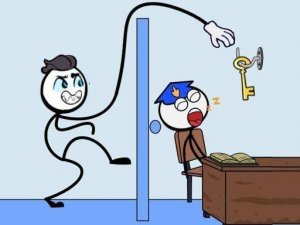
Stretchy Arm Puzzle Adventure is a casual logic game built around one unusual mechanic: a stickman whose arm extends to reach objects. Each level is a self-contained chain of actions, such as grabbing a key to unlock a chest and using the tool inside to reach the exit. The game avoids timers and score counters, so the challenge comes from sequencing rather than reflexes. The bright, simple visuals and tap-or-click controls make it accessible, though the later multi-step puzzles may require patience. It suits players who prefer thoughtful, low-pressure problem-solving over fast-paced action.
Description
The Extendable Arm Mechanic
The central mechanic is a stickman whose arm can stretch to unusual lengths. That reach is how you interact with everything in a scene: grabbing a key from across the room, pulling a lever, or retrieving an item stuck behind an obstacle. The arm is not a combat tool or a movement gimmick; it is the only way the character touches the world. Because of this, every puzzle reduces to a single question: what can the arm reach, and in what order should it reach it?
Self-Contained Puzzle Logic
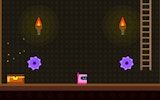
Each level is a small, closed story. A typical chain runs: stretch to grab a key, use the key to unlock a chest, take the tool inside, and use that tool to help the stickman reach the exit. Objects are placed deliberately, and each one has a purpose. The challenge is not speed or reflexes but identifying the correct sequence. Early puzzles rely on simple cause and effect; later ones stack several actions together, so a mistake early on changes what is possible later.
Trial, Error, and Humor
There are no penalties for trying the wrong approach. You can stretch the arm at anything, and the game lets you see what happens. Unexpected interactions often produce humorous results, which turns experimentation into part of the appeal rather than a failure state. The puzzles avoid repetition by varying the objects involved and the kind of logic required, so solving one level does not automatically tell you how to solve the next.
Visual Style and Interface
Characters and objects are drawn with simple, expressive lines against bright, inviting colors. The clean look keeps the action easy to follow, and the smooth animations emphasize the arm's flexibility, adding a layer of physical comedy to problem-solving. Controls are minimal: on touchscreens you tap and drag the arm, and on desktop you click and drag. There are no cluttered menus or complex instructions, so you can start solving immediately.
Progression and Pace
Progress is tracked through a series of levels, each with a distinct challenge. New object types and more intricate puzzles build on concepts introduced earlier. Completing a puzzle gives clear visual feedback and a reaction from the stickman. With no timers or score counters, the focus stays on solving rather than competing, which suits short sessions as well as longer stretches of play.



Editorial Notes