Naval Logic 2025: Fleet Puzzle
Reviews
Naval Logic 2025: Fleet Puzzle targets players who enjoy logic puzzles and turn-based tactics. Its strength lies in the scanning system: limited information and the cost of each turn create meaningful decisions. Randomized placements and varied ship sizes support replayability. The main limitation is that the input does not describe multiplayer options, AI opponents, or platform details, so those remain unclear. Fans of deduction board games will find the core loop familiar but deeper than simple guesswork.
Description
Hiding and Hunting on the Grid
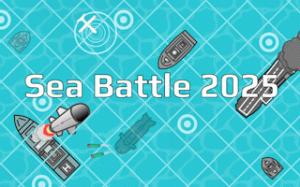
Naval Logic 2025: Fleet Puzzle builds its matches around a hidden-grid system. Before any shots are fired, each player arranges a fleet of vessels on their own board. That layout stays concealed from the opponent. Turns then alternate: on your turn, you scan a specific cell to learn whether an enemy ship occupies it. The answer is binary—yes or no—so every scan adds one piece of information to a larger puzzle. Victory comes from assembling enough of those clues to identify and strike the opponent's ships before they do the same to you.
Scanning Tools and the Cost of a Turn
Scanning is not a free action. Each scan consumes a turn, so choosing the wrong cell wastes a valuable opportunity. The game provides scanning tools that check designated areas of the grid, returning a simple confirmation of ship presence. Interpreting those results correctly is the real challenge. A single positive scan does not reveal the full shape or class of a vessel; it only confirms that something is there. Players must combine multiple scan results to map out the opponent's layout. Submarines add a second layer: once a target is confirmed, they offer a way to deliver a precise strike. That creates a risk-reward loop—spend turns gathering information, or commit to an attack with incomplete data.
Fleet Composition and Placement Choices
The fleet includes multiple vessel types, each with distinct sizes and roles. Aircraft carriers, battleships, and destroyers form the backbone of the force. Because ship sizes differ, placement is a critical decision. A well-hidden ship can survive longer, while a poorly positioned one may be discovered early. Effective setups tend to spread ships out and vary their orientation so the layout does not fall into predictable patterns. The same grid serves as both a hiding place and a target area, so players must think offensively and defensively at the same time during the setup phase.
Match Flow and Replayability
Every match begins with randomized ship placements, so no two games unfold the same way. The interface is clean and straightforward, making it easy to track scan results, ship status, and turn order. Matches are designed to be fast enough for casual play but offer enough complexity for competitive sessions. The turn-based format gives players time to think, which keeps the game accessible to newcomers while still providing strategic challenges for experienced players. That balance between simplicity and depth supports repeated play.




Editorial Notes