Naval Logic 2025: Fleet Puzzle
Reviews
Naval Logic 2025: Fleet Puzzle turns classic grid-based deduction into a polished experience. The scanning tools feel meaningful, and the randomized placements keep each match fresh. The interface is clean, and the turn-based pace suits both casual and competitive play. A solid choice for fans of strategic puzzles.
Description
Core Deduction Mechanics
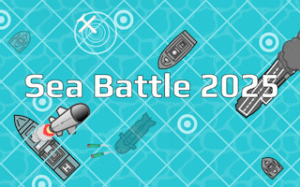
Naval Logic 2025: Fleet Puzzle centers on a hidden-grid system where each player arranges their vessels before taking turns scanning for enemy positions. The game rewards careful reasoning over guesswork, as each scan reveals whether a ship occupies a specific cell. Players must piece together these clues to form a complete picture of the opponent's layout. This approach encourages methodical thinking and patience, making each move feel deliberate. The turn-based structure allows players to pause and consider their next action, which suits both quick sessions and longer strategic matches.
Scanning Tools and Information Gathering
A notable feature is the set of scanning tools that provide targeted intelligence. These tools let players check designated areas of the grid, returning a simple yes or no about ship presence. The challenge lies in interpreting this data correctly and deciding where to scan next. Players must balance the need for information with the risk of wasting a turn. Submarines add an extra layer, offering a way to deliver precise strikes once a target is confirmed. This system creates a puzzle-like experience where each scan brings players closer to victory or misdirection.
Fleet Arrangement and Strategy
The fleet consists of multiple vessel types, each with distinct sizes and roles. Aircraft carriers, battleships, and destroyers form the backbone of the force. Placement is a critical decision because a well-hidden ship can survive longer, while a poorly positioned one may be discovered early. Effective strategies involve spreading ships out and varying their orientation to avoid predictable patterns. Players must think both offensively and defensively when arranging their fleet, as the same grid serves as both a hiding place and a target area. This dual focus adds depth to the initial setup phase.
Match Flow and Replayability
Each match begins with randomized ship placements, ensuring no two games play out the same way. The interface is clean and straightforward, making it easy to track scan results, ship status, and turn order. Games are designed to be fast enough for casual play but offer enough complexity for competitive sessions. The turn-based format gives players time to think, making the game accessible to newcomers while still providing strategic challenges for experienced players. This balance between simplicity and depth keeps the experience engaging over multiple sessions.




Comments
0 comments