Underground Sibling Quest
Reviews
Underground Sibling Quest delivers a clear cooperative experience: two characters, one keyboard or touchscreen, and levels that demand coordinated movement. The pixel-art caves hide keys and coins that reward careful exploration, while the double-jump adds verticality. Difficulty scales from simple platforming to precise simultaneous actions. The main limitation is the lack of online play, so pairs must share a device. It suits friends or family who want a local co-op challenge built on teamwork rather than competition.
Description
Two Characters, One Goal
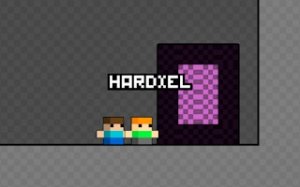
Underground Sibling Quest is built around cooperation between two characters. Players control both siblings simultaneously, and progression depends on coordinating their movements. A typical puzzle might require one sibling to hold a pressure plate while the other dashes through a door, or both to jump in sequence to reach a high ledge. The design makes communication and timing central to every stage.
Exploring the Cave Network
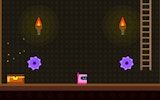
The underground setting is dense with secrets. Hidden chests contain keys that unlock new areas, and coins are tucked into tricky spots that reward thorough searching. A double-jump ability lets players reach elevated platforms that would otherwise be out of range. The pixel-art style gives each screen a distinct, nostalgic look while introducing new arrangements of hazards and platforms.
Controls for Different Setups
Underground Sibling Quest supports keyboard and touch controls. On desktop, one player uses the WASD keys while the other uses the arrow keys. Mobile versions replace these with on-screen buttons. This flexibility means a pair can start playing without extra hardware, though the two-player keyboard layout requires both players to share a single keyboard.
Difficulty That Builds on Teamwork
Early levels teach the basics of cooperation: simple platforming and key collection. Later stages demand more precise timing and coordination, such as simultaneous jumps or using one character to create a path for the other. A level is only complete when both siblings reach the exit, so neither player can finish alone. The gradual increase in complexity keeps the cooperative focus intact from start to finish.







Editorial Notes