Peak Ascent Stickman Arcade
Reviews
Peak Ascent Stickman Arcade succeeds by narrowing its scope: every jump is a single timed input on a spring platform. The clean, uncluttered visuals make gap distance easy to judge, and the gradual difficulty curve builds skill without sudden spikes. Runs are short and layouts vary, which encourages repeat attempts. The main limitation is that the entire experience rests on one mechanic, so players seeking variety may find it thin. It best suits fans of reaction-based arcade challenges and quick mobile sessions.
Description
Timing Over Everything
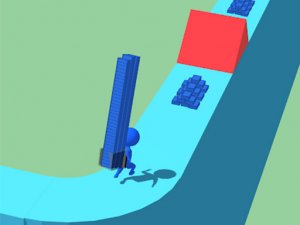
Peak Ascent Stickman Arcade strips climbing down to a single decision: when to activate a spring-loaded platform. The stick figure stands on a vertical mountain path interrupted by gaps. Pressing or tapping at the correct instant launches the character over the empty space. A late or early input drops the figure, ending that attempt. No other buttons or meters compete for attention, so the whole experience rests on reading the rhythm of each gap.
Clean Visuals, Clear Signals
Simple lines and solid colors define both the stick figure and the platforms. A plain background removes distractions, which matters because the player must judge distance and timing while moving upward. The minimal look also makes the upcoming gap easy to spot, so failure feels like a timing error rather than a visibility problem. That clarity supports the learning curve: players can see exactly which platform they misjudged.
Difficulty That Tightens Gradually
Early sections use wide platforms and forgiving activation windows. As the climb continues, gaps narrow and platforms demand more precise presses. The pattern changes rather than repeating, so progress depends on adapting instead of memorizing one sequence. Because each new height introduces stricter requirements, reaching a personal best feels earned. The difficulty curve avoids sudden spikes, letting skills build through repetition.
Short Runs, Fresh Layouts
Every climb is a self-contained session, and the platform arrangement varies across attempts. That variety gives players a reason to retry: the route is not identical, so success comes from timing skill rather than route memory. A single attempt fits into a short break, while chasing a higher personal best supports longer play. The endless structure means there is no final level, only the next gap.










Editorial Notes