Tap Glide: Endless Sky Runner
Reviews
Tap Glide: Endless Sky Runner succeeds by narrowing its scope. One input controls altitude, and every obstacle is a test of when you press and release. The shift from static to moving barriers, combined with a steadily rising scroll speed, keeps runs from feeling identical. The minimal visuals and smooth performance support the precision the game demands. It suits players who enjoy short, repeatable attempts and chasing a personal best, though anyone wanting varied modes or narrative will find the format deliberately limited.
Description
A Single Button, Constant Adjustment
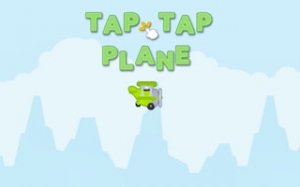
Tap Glide reduces flight to one input: tap to make the plane climb, release to let it sink. The plane never stops moving forward, so your only job is managing altitude. Gaps appear along a horizontal path, and the core loop is a steady rhythm of taps and releases that keeps the plane level with each opening. Timing is split-second, and the next obstacle is always close enough that you have to read it before you reach it.
Obstacles That Break Your Rhythm
Early barriers are static, with fixed gaps that let you settle into a repeatable tap pattern. Later, moving obstacles force you to adjust mid-sequence rather than rely on muscle memory. Some openings are narrow enough that a single extra tap sends you into the edge. Because the order and combination of obstacles change from run to run, memorizing a route matters less than adapting to what appears next.
Speed as the Difficulty Curve
There are no levels to select. The game gets harder by getting faster. The same gap that felt comfortable at the start becomes tight once the scroll speed rises, and that forces quicker decisions and more precise taps. This is the main source of progression: your skill is tested against a pace that keeps climbing, so each attempt feels different from the last even when the obstacle types repeat.
Clean Visuals, Reliable Timing
The presentation stays minimal. The plane and obstacles carry the screen, and the background does not compete for attention. That restraint matters in a game where a fraction of a second decides a run. The low graphical load also means the game runs smoothly on phones and desktops alike, with no stutter to throw off a tap. For a precision game, that consistency is part of the design, not a bonus.
Short Runs, Long-Term Goals
Tap Glide is built for repeat attempts. The main goal is a personal best distance, and a reward system gives small incentives for hitting milestones such as a set distance. Runs can be as short as a few seconds or stretch into longer sessions when you are chasing a record. The endless format means there is no final stage to clear, only a distance to beat.









Editorial Notes