Ocean Speed Boat Simulator
Reviews
Ocean Speed Boat Simulator delivers a dual experience: timed races for players seeking adrenaline, and free cruising for those who prefer a relaxed pace. The realistic water physics add depth, making gentle steering more effective than sharp turns. Its intuitive controls suit beginners, while experienced drivers can refine their technique. The game lacks detailed progression or multiplayer, but its open ocean and family-friendly design offer broad appeal.
Description
Racing or Cruising: Two Ways to Play
Ocean Speed Boat Simulator offers a dual-purpose experience: you can race against the clock for a burst of adrenaline, or take a leisurely cruise across open waters. The choice is yours from the start, and neither mode feels like an afterthought. The game's structure supports both high-speed competition and calm exploration, making it suitable for players who want a quick challenge or a relaxed session.
How the Boat Handles on Water
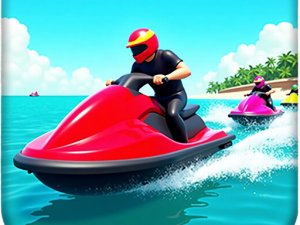
Realistic water physics drive every turn and acceleration. Your boat carries momentum, so gentle steering often works better than sharp turns, especially at higher speeds. Waves and wakes affect your trajectory, and maintaining balance is key to avoiding capsizing or collisions. This creates a handling model that rewards observation and patience over frantic inputs. [IMG_1]
Controls and Getting Started
Keyboard arrow keys or on-screen touch controls steer the boat. Accelerating, turning, and balancing are your main actions. Beginners can start at moderate speed and gradually increase as they grow comfortable. The controls are intuitive enough for new players to pick up quickly, yet offer enough depth for experienced drivers to fine-tune their technique. [IMG_2]
Tips for Smoother Runs
Practice smooth acceleration and gentle steering to maintain control at higher speeds. Anticipate waves or obstacles and adjust your course early to avoid sudden corrections. Experiment with different routes to find efficient paths, and pay attention to how the boat responds to varying water surfaces. Regular practice helps you develop a feel for the physics, leading to faster lap times and more enjoyable cruising.










Editorial Notes