Sky Island Builder: A Creative Adventure

Reviews
Sky Island Builder: A Creative Adventure targets players who prefer construction and collection over conflict. Its strengths are a clear gather-build-cross loop, a crafting system that supports exploration, and a relaxed pace that suits beginners and families. The limitation is that the input does not describe combat, multiplayer, or complex strategy, so it will not appeal to players seeking those. It is best understood as a casual creative game with a light narrative goal.
Description
Building Pathways Between Islands
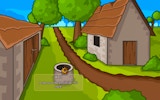
The central activity in Sky Island Builder is turning raw materials into traversable routes. Players gather earth, stone, and wood from the environment, then use those resources to construct steps or bridges that connect one floating island to the next. This creates a clear loop: collect, build, cross, repeat. The satisfaction comes from seeing a path take shape and knowing it was assembled from materials you personally gathered.
Resource Gathering and Crafting
Gathering is done by clicking on earth, stone piles, or wood blocks scattered across each island. Collected items go into an inventory, where they can be combined through a crafting tool to produce new items. Crafting is not optional decoration; it directly supports further exploration, so players who check the crafting menu regularly will find their progress smoother. The system is simple enough for beginners but still rewards planning.
Animals, Flowers, and the Special Character
Each island holds more than building materials. Players can interact with animals to obtain food and pick flowers that are collected for a special person. These interactions give the exploration a secondary purpose beyond construction. Rather than building for its own sake, players are also working toward a small narrative goal, which helps each island feel like it has a reason to be visited.
A Relaxed Pace for All Ages
Sky Island Builder is designed to be intuitive from the first few minutes. Controls are standard movement and clicking, and the game avoids time pressure or complicated failure states. That makes it suitable for younger players, families, or anyone who wants a casual building experience. The challenge, such as it is, comes from deciding which resources to gather first and how to route your pathways efficiently.





Editorial Notes