Memory Match Card Puzzle
Reviews
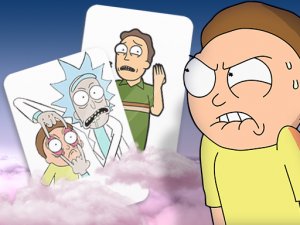
Memory Match Card Puzzle succeeds as a low-pressure memory trainer because it removes timers entirely, letting players think through each flip. The difficulty curve comes from expanding grids rather than added stress, which suits children and casual players. Fans of the animated series it draws from will recognize the character art. The main limitation is a lack of described variety beyond grid size, so players seeking complex mechanics may find it simple.
Description
Pairing Characters Through Recall
Memory Match Card Puzzle asks players to flip two cards at a time, revealing character images inspired by a popular animated series. When the images match, the pair stays face-up and points are awarded. When they do not, both cards turn back after a brief pause. The objective is to clear every pair from the board using as few moves as possible, so each flip becomes a small memory test.
Grids That Grow With You
Early levels use a small, approachable grid that lets new players learn the rhythm of flipping and remembering. As you progress, layouts expand, which means more positions to track and longer gaps between seeing the same character. That gradual increase in board size is the main source of difficulty, and it keeps the challenge moving without ever introducing time pressure.
A Calm, Family-Friendly Pace
There are no timers or countdowns, so players can study the board and make decisions at their own speed. Colorful card designs and cheerful music reinforce the light tone. The game avoids mature content entirely, which makes it suitable for children and adults alike, whether the goal is casual entertainment or a low-stress way to practice concentration.
Practical Memory Habits
Because mistakes are not punished, the game rewards patience over speed. Focusing on one section of the grid at a time can help you build a reliable mental map before branching out. When a flip goes wrong, the revealed card still provides useful information for later turns. Regular sessions tend to sharpen recall, and carrying patterns from earlier rounds into larger boards makes the difficulty curve easier to manage.








Editorial Notes