2048 Card Merge Puzzle

Reviews
2048 Card Merge Puzzle keeps the satisfying doubling mechanic of the original but changes the board into separate columns. That shift makes each placement feel more intentional and less reactive. The combo multiplier adds a scoring layer that encourages chaining merges rather than clearing space randomly. With no timer and simple drag controls, it suits players who prefer thoughtful puzzle solving over fast reflexes. The main limitation is that random card draws can sometimes end a run early, but over many attempts planning still matters most.
Description
Columns Instead of a Grid
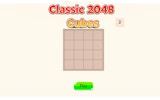
Most 2048 variants use a 4x4 grid where you swipe to shift tiles. This version replaces that with a set of vertical columns. Cards appear one at a time at the bottom of the screen, and you drag each into a column of your choice. The layout changes how you plan: instead of managing a single board, you're managing several independent stacks that only interact within their own column. That shift makes placement feel more deliberate and less about quick reflexes.
Merging and Combo Scoring
When a card lands on top of another card with the same number, the two combine into one card with double the value. Two 2s become a 4, two 4s become an 8, and so on. Each merge also raises a combo multiplier, so consecutive merges in a short span boost your score more than isolated ones. This gives you a reason to set up chains rather than simply clearing space. The combo system rewards players who think a few cards ahead and arrange columns to support multiple merges in sequence.
When the Game Ends
There is no timer and no move limit. The game ends only when every column is full and the next card cannot be placed anywhere. That means the real challenge is spatial: you need to keep at least one column open enough to accept whatever card comes next. Mismatched numbers clog columns quickly, so deciding when to sacrifice a column versus when to hold out for a better merge is the central tension. The random card draws add variance, but planning still outweighs luck over a full session.
Controls and Presentation
Drag-and-drop works with a finger on touchscreens or a mouse on desktop. The interface is minimal, with no decorative clutter competing for attention. That clean presentation matters because the game is entirely about reading the board and making placement decisions. There is no time pressure, which makes it suitable for short breaks or longer sessions where you want to concentrate on pattern recognition rather than speed.







Editorial Notes