Heavy Machinery Jigsaw Puzzle
Reviews
Heavy Machinery Jigsaw Puzzle delivers exactly what its name suggests: assembling construction vehicle images at 25, 49, or 100 pieces. The absence of timers and penalties makes it genuinely relaxing, and the drag-and-drop controls are easy to grasp. Five images provide modest variety. The main limitation is that it offers no mechanics beyond classic jigsaw assembly, so players wanting progression systems or rewards may find it thin. It suits casual players, families, and anyone who enjoys low-stakes pattern work.
Description
Assembling Construction Vehicles
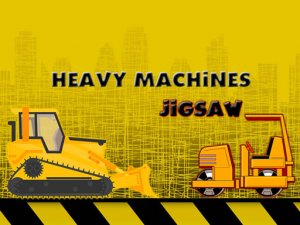
Heavy Machinery Jigsaw Puzzle centers on completing pictures of powerful construction equipment, including trucks and bulldozers. Each image is broken into scattered pieces that players drag and drop onto a board. Pieces snap into position when placed close to their correct spot, which keeps the assembly process smooth rather than fiddly. The objective is simple: arrange every piece until the full vehicle image is visible. There are no penalties for mistakes, and players can rearrange pieces freely until the picture is complete.
Piece Counts and Pacing
Before starting a puzzle, players select one of three modes based on piece count: 25, 49, or 100 pieces. The 25-piece mode works well for a quick session or for getting comfortable with the controls. The 49-piece option adds moderate complexity without becoming tedious, while the 100-piece mode offers a longer, more involved assembly task. Because the game imposes no time limits, players can pause or step away at any point without losing progress. This structure supports both brief breaks and longer relaxation sessions.
Controls and Visual Guidance
The control scheme is limited to selecting and dragging pieces, which means no prior puzzle experience is required. Visual cues help guide placement, and the game may provide feedback when pieces are correctly positioned. These small assists reduce frustration without removing the satisfaction of finding the right fit. The interface stays out of the way, letting players focus on pattern recognition and spatial reasoning as they work through each vehicle image.
Approaches That Help
Starting with the 25-piece mode builds familiarity with how pieces behave and how the board is laid out. Sorting pieces by color or edge shape makes assembly more manageable, especially in the 100-piece mode. Building the border first creates a frame that anchors the rest of the image. If progress stalls, stepping away briefly often makes connections easier to spot on return. Regular practice can sharpen the pattern recognition and spatial skills the game exercises.









Editorial Notes