Tile Jump Arcade

Reviews
Tile Jump Arcade works because it commits to one idea: the ground disappears as soon as you touch it. That rule creates constant forward pressure without adding complex controls or mechanics. The browser-based format and short run length make it easy to pick up for a few minutes, and leaderboards add a competitive edge for friends. The main limitation is repetition; the challenge scales through speed and precision rather than new features, so players seeking variety may lose interest. It is best suited to casual players who enjoy reflex-based score chasing.
Description
The Shattering Platform Mechanic
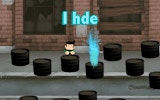
Each glass platform in Tile Jump Arcade breaks the moment you land on it. That single rule shapes every decision: you cannot pause, plan a long route, or backtrack. The game becomes a chain of quick reactions, where the next jump must be identified and executed before the current platform disappears. [IMG_1]
Controls and Input
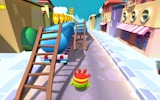
Input is deliberately minimal. On mobile, tapping the screen makes the character jump. On desktop, a mouse click does the same. There is no complex control scheme to learn, which keeps attention on timing rather than button combinations. The game also supports full-screen mode for a less cluttered view. [IMG_2]
Progression and Difficulty
Height is the difficulty curve. As you climb, platforms become more challenging to land on and react to. The game does not introduce new mechanics at higher levels; instead, it tightens the existing demand for precision. That simplicity makes the game easy to start but difficult to master. [IMG_3]
Session Design and Competition
Runs are short by nature. A single mistake ends the climb, so sessions fit easily into spare minutes. Leaderboards let you compare your highest point with friends, turning a solo reflex test into a light competition. The bright visuals and smooth performance keep the focus on the next jump rather than on distractions.








Editorial Notes